The Catastrophic Countdown: How Safety Was Systematically Dismantled at Chernobyl
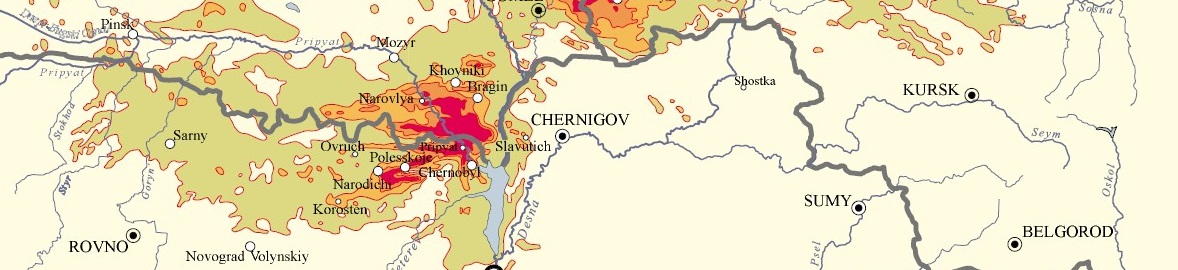
On April 26, 1986, the world witnessed the most severe accident in the history of civilian nuclear power, an event now indelibly etched into our collective memory as the Chernobyl Disaster 1986: Unraveling the Catastrophe's Cause. What began as a seemingly routine safety test at Reactor Unit 4 of the Chernobyl Nuclear Power Plant in Pripyat, Ukrainian SSR, quickly spiraled into an unimaginable tragedy. The resulting release of a massive radioactive cloud not only devastated vast swathes of Europe but also profoundly reshaped global perceptions of nuclear energy. The sheer scale of the Unglück Tschernobyl was not a singular event but rather the culmination of a series of critical mistakes, flagrant safety violations, and inherent design flaws, each contributing to a scenario where catastrophe became all but inevitable.
A Routine Test Becomes a Deadly Gamble
The immediate genesis of the disaster lay in an experimental procedure scheduled for April 25, 1986. The primary objective was to test whether the residual rotational energy of a turbine, after its steam supply was shut off, could generate sufficient electricity to power critical reactor safety systems—specifically the emergency feedwater pumps—during a grace period before the emergency diesel generators could kick in. This "coastdown" test was intended to demonstrate a new safety feature for the plant's RBMK-1000 reactors.
However, the execution of this experiment was fatally flawed from its inception. To conduct the test without interruption and to simulate a complete power outage, the operating crew made a series of baffling and dangerous decisions:
- Disabling Safety Systems: Crucially, the Emergency Core Cooling System (ECCS) and other vital automatic shutdown mechanisms were intentionally disabled. This was a direct and severe violation of safety regulations, rendering the reactor vulnerable to any unexpected surge or instability. The crew believed these systems would interfere with the test parameters.
- Interruption and Resumption: The experiment, initially planned for daylight hours, was unexpectedly interrupted due to an urgent demand for electricity from the grid. This forced a postponement until late at night. Critically, during this delay, the disabled safety systems were not reactivated, leaving the reactor exposed for an extended period. This decision further underscored a pervasive disregard for established safety protocols.
By the time preparations resumed after 11 PM, the stage was already set for disaster. The reactor, stripped of its essential safeguards, was being pushed into an operating regime it was never designed to safely withstand.
Operating on the Edge: Navigating an Unstable Reactor
The Unforeseen Power Dive and Reckless Recovery
The experimental protocol called for gradually reducing the reactor's power output to approximately 25% of its nominal capacity. This was intended to mimic the low-power conditions of a grid failure. However, a crucial misstep occurred during the power reduction:
- Sudden Power Drop: Due to a combination of operator error and the reactor's inherent characteristics, the power level plummeted much further than intended—to less than 1% of nominal power. At such extremely low power levels, the RBMK reactor became inherently unstable and difficult to control. The precise reason for this precipitous drop remains a subject of debate, though operator inexperience and misjudgment are widely cited.
- Desperate Measures: Instead of immediately shutting down the reactor and abandoning the test, as safety regulations would mandate for an unstable state, the operators decided to attempt to raise the power back up. This was a desperate and highly risky maneuver. To achieve this, they withdrew nearly all of the reactor's control rods—the neutron-absorbing rods used to regulate the fission chain reaction—far beyond safe limits. Some reports suggest that fewer than a dozen control rods (out of over 200) remained in the core, a dangerously low number that made the reactor extremely difficult to manage.
The power level eventually stabilized at around 7% – still far below the safety threshold for conducting the experiment and dangerously unstable. Yet, driven by a determination to complete the test, the crew pressed on, ignoring the flashing warning signs and escalating risks.
The RBMK's Fatal Flaw: A Reactor Primed for Disaster
Compounding the human errors and procedural violations were critical design flaws inherent in the Soviet-era RBMK-1000 reactor itself. These flaws, unknown to the operators at the time (or downplayed by Soviet authorities), transformed a series of mistakes into an irreversible catastrophe:
- Positive Void Coefficient: The most significant design flaw was the RBMK's "positive void coefficient." This meant that as water coolant boiled into steam (creating "voids"), the reactor's reactivity increased, rather than decreased. This created a dangerous positive feedback loop: more steam meant more power, which meant more boiling, leading to even more power. This characteristic made the reactor highly unstable at low power and susceptible to uncontrolled power surges.
- Control Rod Insertion Flaw: Another critical design flaw was found in the control rods themselves. At the very tip of each control rod was a graphite section, which was a weaker neutron absorber than the boron carbide above it. When the control rods were fully withdrawn and then rapidly inserted (as in an emergency shutdown), these graphite tips initially displaced water at the bottom of the core, causing a localized surge in reactivity before the neutron-absorbing boron carbide entered. This meant that the emergency shutdown system (known as AZ-5) could paradoxically cause a dangerous power spike for a few crucial seconds before fully shutting down the reactor.
These design deficiencies meant that even a correct emergency shutdown attempt could, under certain conditions, exacerbate an already critical situation, turning a runaway reaction into an immediate explosion.
The Point of No Return: When Control Vanished
Ignoring All Warnings: The Experiment's Commencement
Despite the incredibly unstable state of the reactor, the decision was made to proceed with the turbine rundown test at 1:23 AM. The operators initiated the experiment by closing the turbine's steam supply valves. This action, a part of the test, inadvertently led to a reduction in coolant flow to the reactor core. With reduced water flow and the reactor already operating on the brink of instability, the positive void coefficient kicked in with terrifying speed. Within mere seconds, the reactor's power output began to surge uncontrollably.
The operators observed a rapid and alarming increase in power. In a desperate attempt to avert disaster, the shift supervisor initiated an emergency shutdown by pressing the AZ-5 button. This action was meant to fully insert all control rods and quench the chain reaction. However, due to the RBMK's fatal control rod design flaw and the already massively overpowered core, the opposite happened:
- The Failed Scram: The initial insertion of the graphite tips on the control rods caused a massive and localized power spike. The power output, already rising, instantaneously surged to an estimated 100 times the reactor's nominal power. The fuel rods began to rapidly overheat and rupture.
The Irreversible Chain Reaction and Explosions
The power surge was so instantaneous and immense that the physical integrity of the reactor core was compromised. The rapid heating and vaporization of water within the fuel channels created enormous pressure. The control rods, now desperately trying to insert, could not overcome this pressure. Furthermore, the extreme temperatures and forces within the core caused the fuel channels and control rods to deform and warp, jamming them and preventing their full insertion. The reactor was now truly out of control.
At approximately 1:23:47 AM, a colossal steam explosion occurred. The immense pressure generated by the flash-vaporized water ripped through the reactor, blowing off the 2,000-ton reactor lid and spewing highly radioactive fuel and graphite fragments into the atmosphere. Moments later, a second, even more powerful explosion—likely a hydrogen explosion caused by the reaction of superheated steam with zirconium cladding, producing hydrogen gas—obliterated the reactor building, igniting the graphite moderator and showering the surrounding area with intensely radioactive debris. The core was now exposed to the atmosphere, burning fiercely and continuously releasing vast quantities of radionuclides.
Lessons from the Catastrophe: Rebuilding Nuclear Safety
The Unglück Tschernobyl stands as a stark and tragic illustration of what happens when a confluence of human error, systemic failures, and fundamental design flaws converge. It highlighted that safety is not merely about robust engineering but also about a pervasive safety culture, rigorous training, and unwavering adherence to protocols.
The disaster prompted a worldwide re-evaluation of nuclear safety standards and reactor designs. While RBMK reactors were subsequently modified to mitigate their inherent flaws, the international community largely moved towards reactor types with inherently safer passive safety features.
Key lessons extracted from Chernobyl include:
- Prioritize Safety Above All: Never bypass or disable safety systems, regardless of the perceived urgency or importance of an experiment or task. Safety must always be the paramount consideration.
- Understand Design Limitations: A thorough and transparent understanding of a reactor's specific design characteristics, including any inherent flaws or limitations, is crucial for safe operation.
- Independent Oversight: Robust and independent regulatory bodies are essential to challenge risky operational decisions and ensure strict adherence to safety regulations, free from political or production pressures.
- Comprehensive Training and Protocols: Operators must be thoroughly trained not just on standard operating procedures, but also on how to respond to unexpected anomalies and emergency scenarios, with clear, unambiguous protocols.
- Transparency and Openness: The initial Soviet cover-up of the disaster exacerbated its consequences. Open communication and transparency are vital for managing crises and learning from mistakes.
Today, the landscape of nuclear safety has been transformed, with enhanced international cooperation, more stringent design requirements, and a global commitment to preventing another such catastrophe. The legacy of Chernobyl serves as a permanent reminder that vigilance and respect for the immense power of atomic energy are non-negotiable.
Conclusion: A Stark Reminder
The critical mistakes leading to Chernobyl's blast were not isolated incidents but a systemic breakdown. From the ill-conceived experiment and the deliberate disabling of safety features to the reckless attempts to regain control of an unstable reactor and the tragic design flaws of the RBMK, each error pushed the plant closer to the precipice. The Unglück Tschernobyl irrevocably altered the course of history, leaving behind a contaminated landscape and an enduring cautionary tale about the imperative of safety, accountability, and the profound consequences when they are disregarded. Its lessons continue to shape the nuclear industry, ensuring that such a concatenation of errors never leads to such devastating outcomes again.