The Fatal Experiment: How Chernobyl's Reactor Spun Out of Control
The name Chernobyl evokes images of a deserted landscape, ghost towns, and an invisible threat that lingered for decades. On April 26, 1986, the world witnessed the most catastrophic accident in the history of civilian nuclear power, an incident that indelibly reshaped global perceptions of nuclear safety. What began as a routine safety test within Reactor No. 4 of the Chernobyl Nuclear Power Plant in Pripyat, Ukrainian SSR, spiraled rapidly and fatally out of control, culminating in the devastating
Chernobyl Disaster of 1986. This was more than just a mechanical failure; it was a complex interplay of design flaws, human error, and a profound disregard for safety protocols that turned a controlled experiment into an unthinkable catastrophe. To understand the profound impact of this event, often referred to as the Unglück Tschernobyl, we must delve into the precise, harrowing sequence of events that led to the reactor's meltdown.
A Test Gone Terribly Wrong: Setting the Stage for Disaster
The root of the Unglück Tschernobyl can be traced back to the night of April 25, 1986, when a crucial safety test was scheduled for Reactor No. 4. The objective was seemingly innocuous: to determine if, in the event of a total power outage, the residual rotational energy of a turbine could generate enough electricity to power the reactor's critical safety systems – such as emergency cooling pumps – until backup diesel generators could kick in. This "turbine rundown" test was meant to enhance safety, yet the procedures put in place to conduct it did precisely the opposite.
From the outset, the experiment was plagued by critical missteps. To isolate the systems for the test, the emergency core cooling system (ECCS) and other vital safety mechanisms were intentionally shut down. This was a direct violation of established safety regulations, effectively stripping the reactor of its primary defenses. Furthermore, the reactor's power was gradually being reduced as part of the preparations. An unexpected demand for electricity from the grid briefly halted the test, pushing its continuation to the late hours of the night. Crucially, during this delay, the emergency cooling system remained disabled, a negligent oversight that would prove fatal.
When preparations resumed shortly after 11 PM, the plan was to stabilize the reactor at approximately 25 percent of its nominal power. However, due to operator error and a peculiarity of the RBMK-1000 reactor design, the power plummeted unexpectedly to less than one percent. In this extremely low-power state, the reactor became inherently unstable and dangerously difficult to control. Instead of initiating an immediate shutdown – the only safe course of action – the technicians, driven by a desire to complete the long-delayed test, attempted to raise the power level. They did this by manually withdrawing almost all of the reactor's control rods, which are designed to absorb neutrons and regulate the nuclear chain reaction. While this brought the power up to about seven percent, it was still far below the safe operating minimum, leaving the reactor precariously close to an uncontrolled surge. The stage was set for an unprecedented disaster.
Descending into the Abyss: A Reactor Out of Control
Despite the dangerously unstable state of Reactor No. 4, the test was allowed to proceed. At 1:23 AM on April 26th, the operators initiated the turbine rundown experiment. As part of the test, they closed the safety valves that directed steam to the turbines, reducing the flow of cooling water into the reactor core. This action triggered a rapid and catastrophic chain of events. With less cooling water available to absorb the heat generated by the nuclear reactions, the water inside the reactor quickly turned to steam. In the RBMK design, a critical flaw known as the "positive void coefficient" meant that an increase in steam bubbles actually *increased* the reactor's power output, rather than decreasing it. This inherent instability, combined with the earlier withdrawal of the control rods, created a perfect storm.
Within seconds, the reactor's power began to surge uncontrollably, far exceeding its safe operating limits. The shift supervisor, realizing the gravity of the situation, immediately initiated an emergency shutdown (known as "AZ-5"). This command was supposed to fully reinsert all control rods into the core, rapidly halting the nuclear chain reaction. However, it was already too late. The exponential increase in power generated immense heat and pressure within the reactor core, causing the fuel channels and control rods to deform and jam. The rods could not fully descend, effectively failing to quench the runaway reaction.
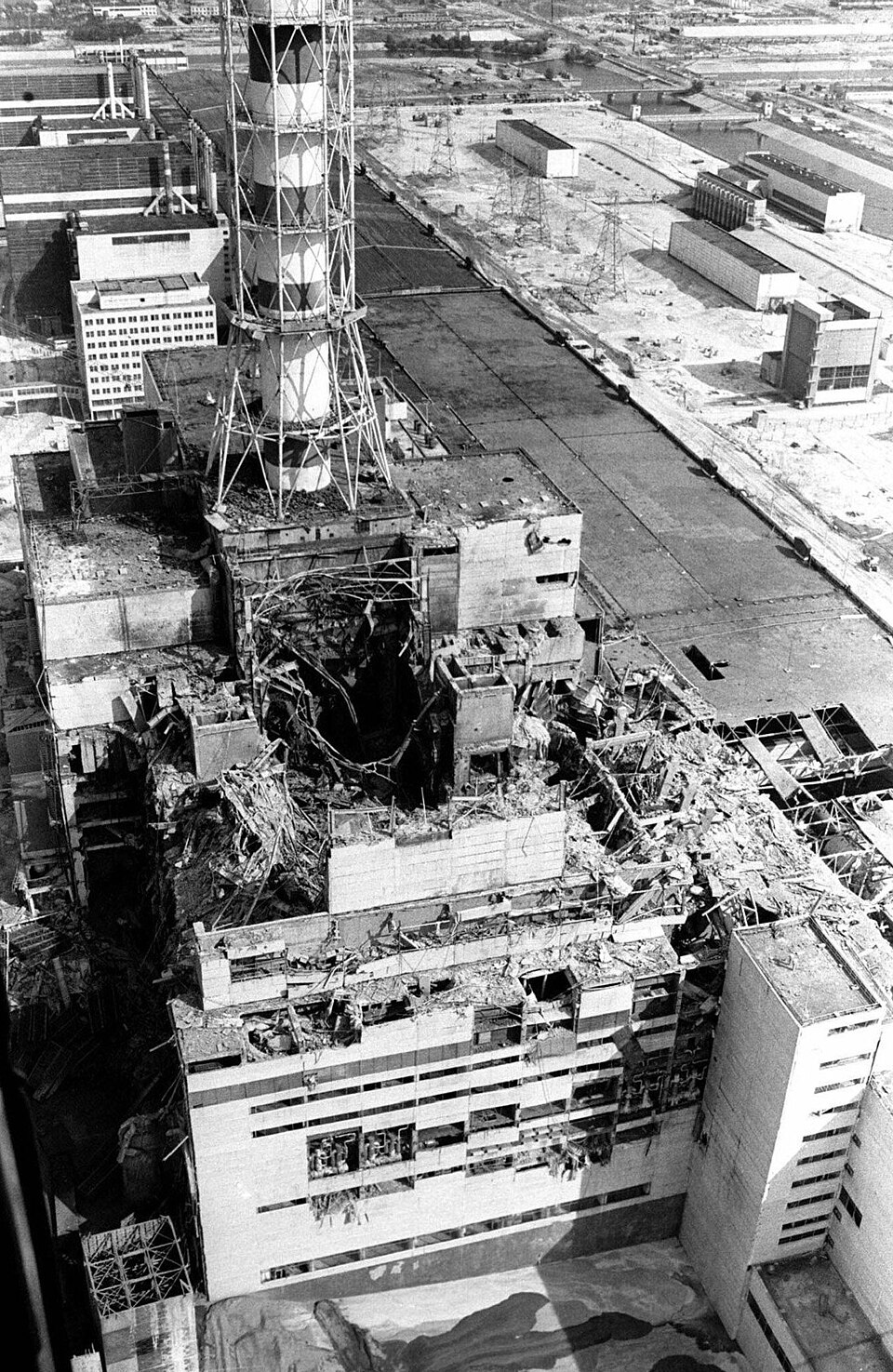
The power output escalated to an unimaginable degree, estimated to be 100 times its nominal capacity. The sheer thermal energy rapidly vaporized the remaining cooling water, generating immense steam pressure. This pressure was so immense that it ruptured the reactor's fuel channels. At approximately 1:23:47 AM, the first explosion occurred, a powerful steam blast that blew off the 1,000-ton concrete lid covering the reactor, exposing the core to the atmosphere. This was quickly followed by a second, more powerful explosion, likely caused by the superheated graphite moderator reacting with air and igniting. The second blast hurled radioactive debris high into the night sky, scattering highly contaminated material across the plant site and initiating the widespread release of radioactive isotopes that would drift across vast swathes of Europe. The Unglück Tschernobyl had reached its horrifying crescendo.
The Aftermath and Enduring Lessons of Unglück Tschernobyl
The immediate aftermath of the explosions was chaos. Firefighters, unaware of the extreme radiation levels, battled the graphite fires that burned for days, heroically sacrificing their lives. The radioactive cloud, laden with isotopes like Iodine-131, Cesium-137, and Strontium-90, spread rapidly. It contaminated vast regions of Ukraine, Belarus, and Russia, necessitating the evacuation of hundreds of thousands of people and rendering an exclusion zone around the plant uninhabitable for generations. Beyond the immediate Soviet borders, elevated radiation levels were detected across Europe, leading to restrictions on agriculture and a global re-evaluation of nuclear safety protocols.
The Unglück Tschernobyl stands as a grim testament to the devastating consequences of human error, systemic failures, and a lack of transparency. Several crucial lessons emerged from this catastrophic event:
*
Adherence to Safety Protocols: The most significant takeaway is the absolute necessity of rigorous adherence to safety regulations. The disabling of emergency systems and the disregard for operational limits were direct causes of the disaster. Industries dealing with high-risk technologies must cultivate a culture where safety is paramount and deviations are never tolerated.
*
Understanding System Design: The RBMK reactor's positive void coefficient was a critical design flaw that amplified the disaster. This highlights the importance of thorough safety assessments and independent reviews of complex industrial designs.
*
Comprehensive Operator Training: The operators at Chernobyl lacked a full understanding of the RBMK reactor's behavior under abnormal conditions. Robust training programs, realistic simulations, and clear communication are essential for personnel managing high-risk operations.
*
Independent Oversight: The lack of independent regulatory oversight and the pressure to meet production quotas within the Soviet system contributed to the risky environment. Strong, independent regulatory bodies are crucial for ensuring safety in critical industries worldwide.
*
Emergency Preparedness and Transparency: The initial delayed and inadequate response, coupled with a lack of transparency from Soviet authorities, exacerbated the impact of the disaster. Effective emergency response plans, rapid communication, and international cooperation are vital.
The systematic disabling of safety mechanisms, detailed in articles like
Safety Disabled: The Critical Mistakes Leading to Chernobyl's Blast, sealed the fate of Reactor No. 4. While no amount of reflection can undo the immense suffering and environmental damage caused by the Unglück Tschernobyl, its legacy has undeniably led to significant advancements in nuclear reactor safety, international cooperation, and a heightened global awareness of the profound responsibilities associated with harnessing powerful technologies.
In conclusion, the Chernobyl disaster was not a singular event but a tragic culmination of a series of poor decisions, design weaknesses, and operational failures. It serves as an enduring, painful reminder that in complex, high-stakes environments, vigilance, adherence to robust safety protocols, and a deep respect for the power of the technology at hand are not merely recommendations – they are absolute necessities for preventing catastrophe. The lessons learned from the Unglück Tschernobyl continue to shape safety standards and practices across industries, ensuring that such a fatal experiment is never repeated.